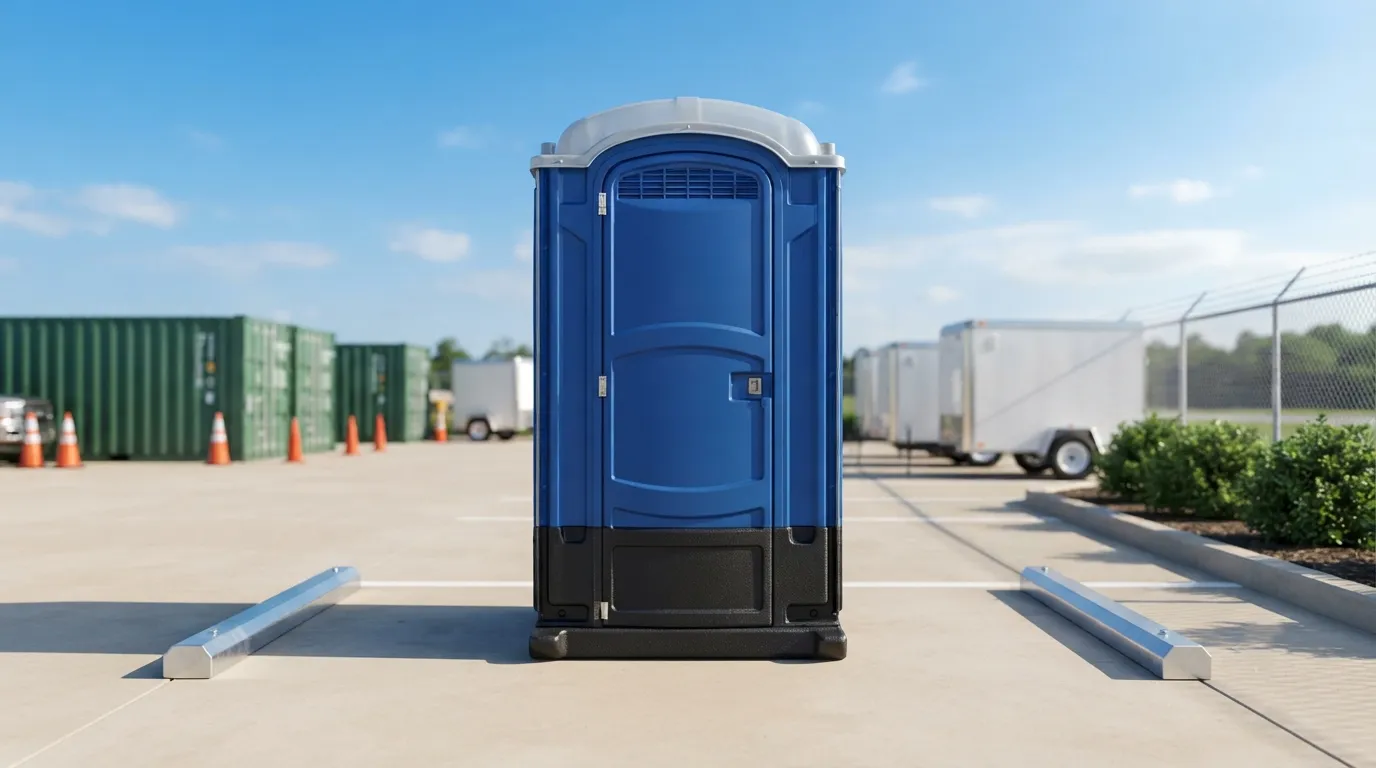
Standard porta potty
$125 to $250 a weekend
Toledo, OH
A holding tank is the answer when you have plumbing fixtures but nowhere for the waste to go. It sits on site, collects what the fixtures produce, and gets pumped out on a schedule instead of draining to a sewer or a septic field. Toledo Porta Pros rents them for events, job sites and temporary installations across Lucas County.
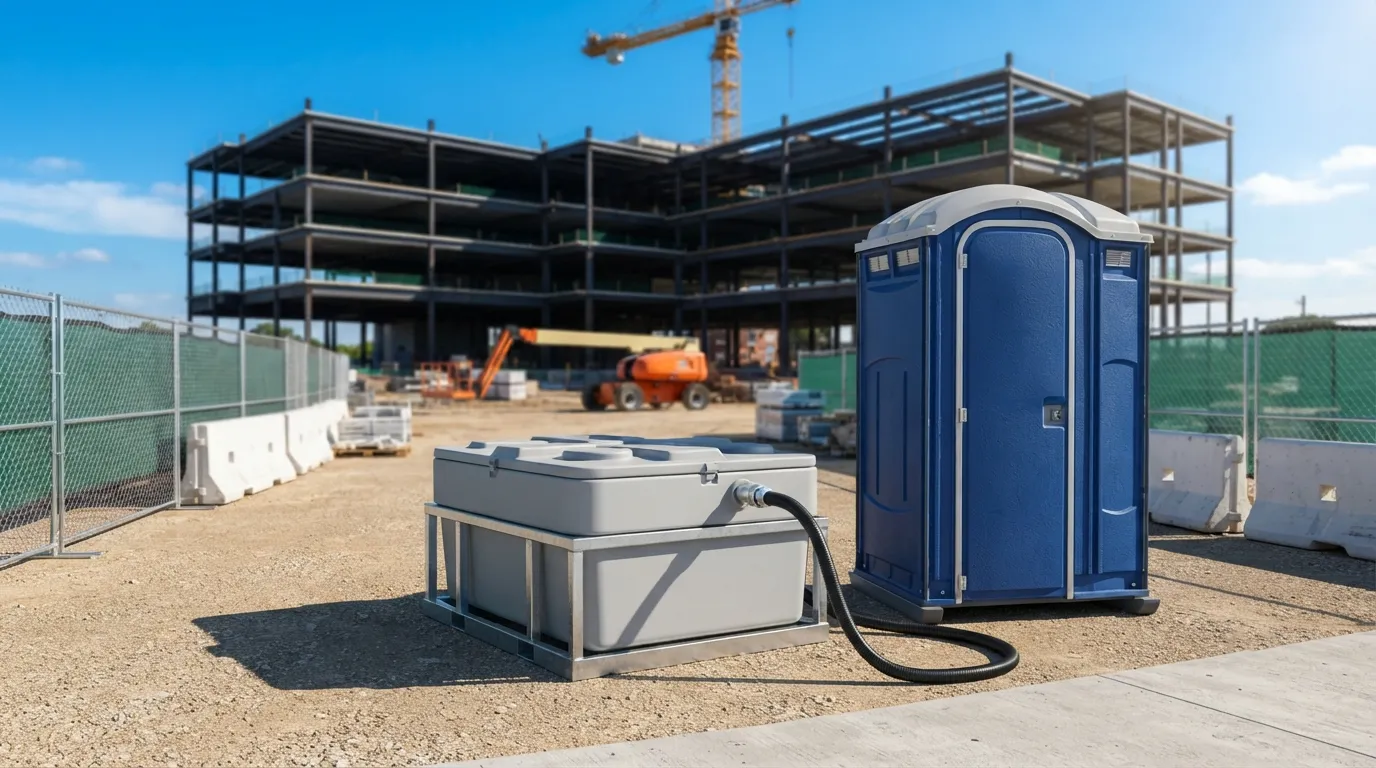
A sealed above-ground or below-ground container with an inlet and a pump-out fitting. Nothing leaves it except through the pump truck. That is the entire design brief, and it is what separates a holding tank from a septic system: a septic tank treats and discharges, a holding tank only stores.
A septic system needs soil, sizing and a functioning field. A holding tank needs a delivery spot and a service schedule. Where a permanent connection is impossible, impractical or simply not there yet, a holding tank bridges the gap.
Four situations cover most of it.
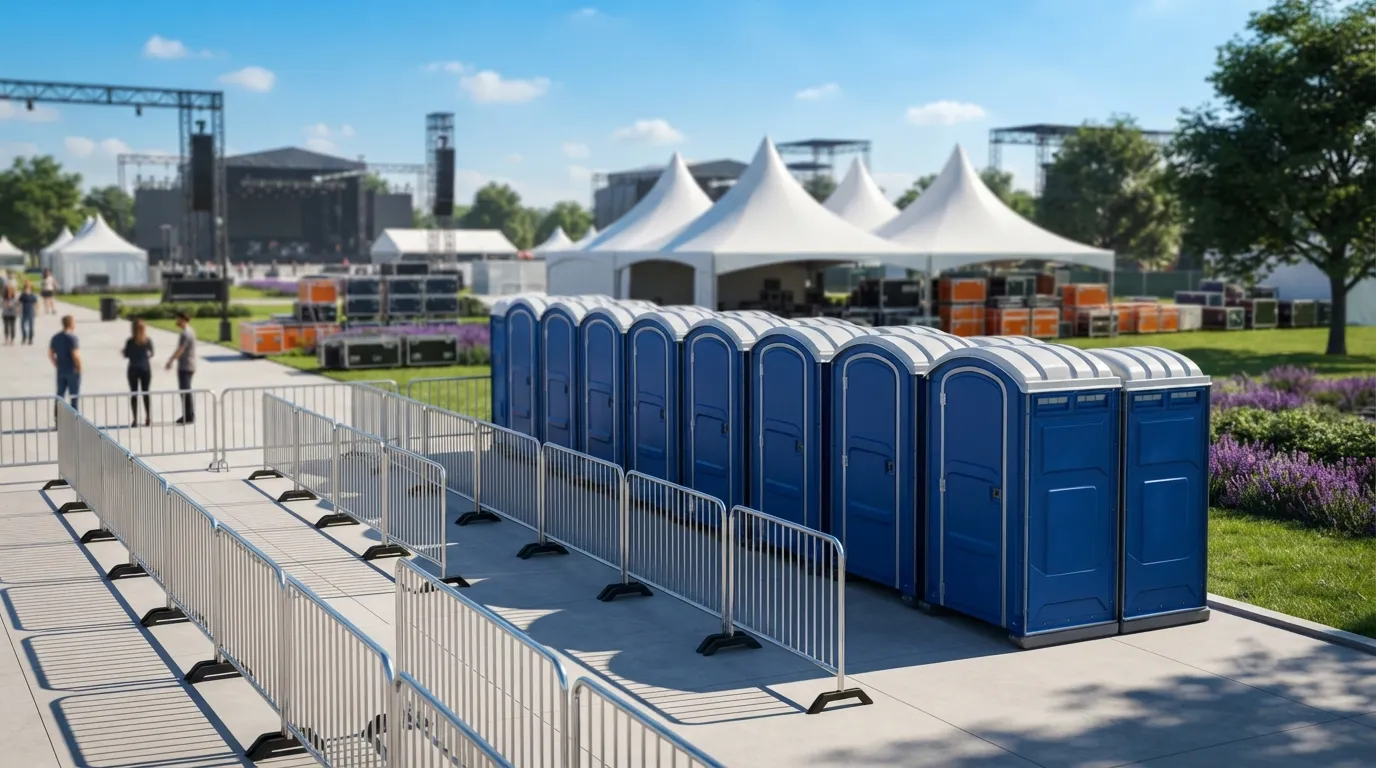
Events with real plumbing. A wedding tent with a luxury restroom trailer, a catering setup with sinks, or a festival with a wash station all produce wastewater that has to go somewhere. On a site with no sewer, that somewhere is a holding tank. Event restroom rental and festival restroom rental cover the broader planning.
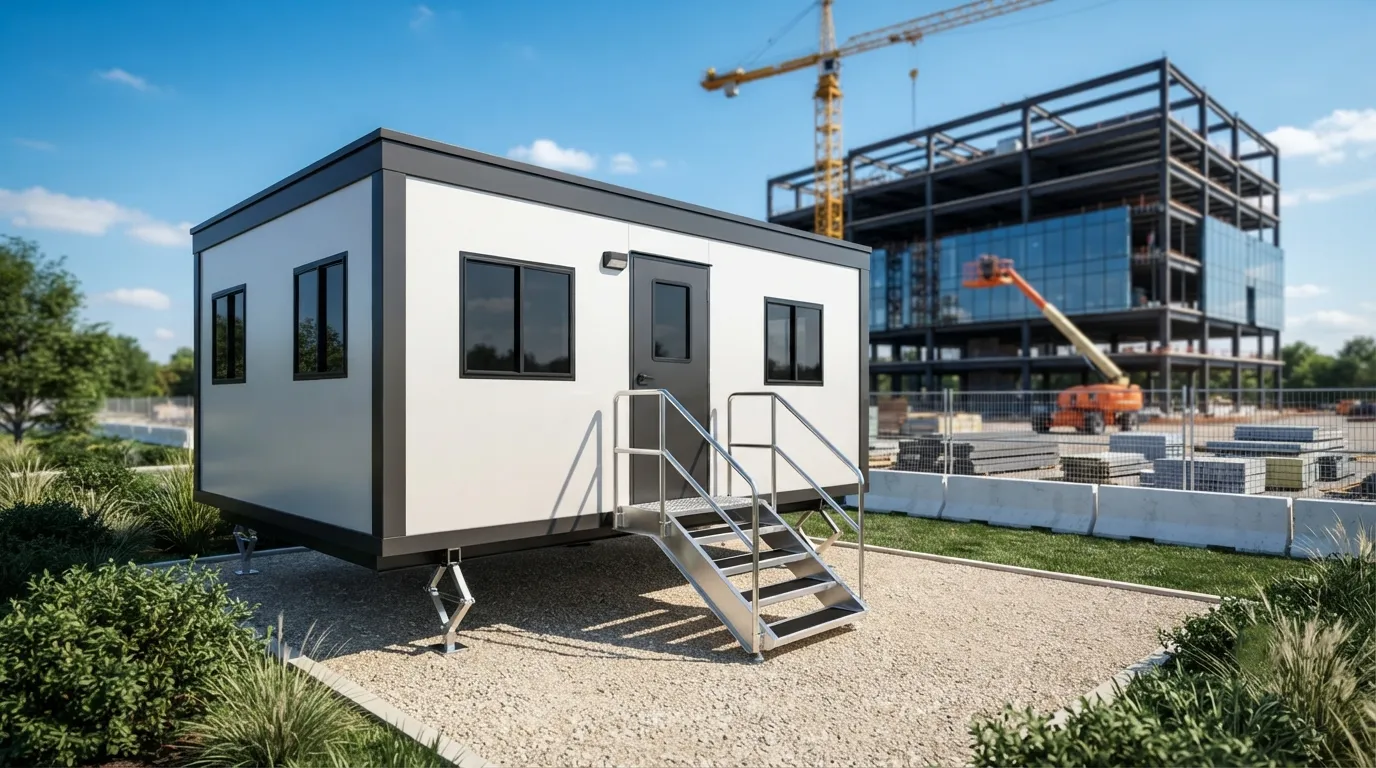
Construction sites with temporary fixtures. Once a job goes past portable toilets into actual sinks, showers or a plumbed trailer, the drain side needs handling. A mobile office trailer rental with a restroom in it is a common trigger.
Properties waiting on a connection. New builds, rural parcels around Lucas County and properties in the middle of a septic replacement all hit periods where fixtures exist and the disposal side does not.
Temporary overflow. A property whose septic system is failing or undersized sometimes uses a holding tank to keep operating while repairs get scheduled.
As often as it fills, which is a function of the fixtures feeding it and how many people use them. That is genuinely different from the fixed weekly cadence a portable toilet runs on, where ANSI/PSAI Z4.3 sets a baseline of one unit per ten workers over a 40 hour week with one service visit.
A tank on a busy event site can need service more than once in a weekend. A tank feeding a low-traffic job site trailer might go much longer. Estimate usage up front, set an initial schedule, and adjust after the first pump-out once real data exists. Running a tank to overflow is the failure mode to avoid. Septic pumping service handles the pump-out side, and emergency septic service exists for when the estimate was wrong.
Sanitary wastewater and greywater from the fixtures it was set up for. Nothing else. No solvents, no paint, no fuel, no construction slurry, no chemicals. Contaminating a tank turns a routine pump-out into a disposal problem.
Kitchen waste is its own category. Restaurant fats, oils and grease belong in a grease interceptor, not a holding tank, and grease trap pumping covers that service. Solid debris belongs in a roll-off dumpster rental.
Somewhere the pump truck can reach with a short, straight hose run, and somewhere the fixtures can drain to. Those two constraints usually pull in opposite directions, which is why placement is worth planning.
Firm level ground matters, especially in a Toledo spring when the ground near the Maumee River holds water. Winter adds its own consideration: from roughly November through March, exposed lines and shallow fittings are the parts that freeze, the same way tank treatment becomes necessary for portable units. Porta potty in winter covers the seasonal thinking, and porta potty placement guide covers access.
On private property, placement itself generally does not raise the right of way question that equipment in a Toledo street does. Where a tank connects to permanent building plumbing, though, other approvals can come into play depending on the installation, and that is a question for the authority handling the property. Placement in the public right of way may require a permit from the City of Toledo, and porta potty permit requirements covers how to ask.
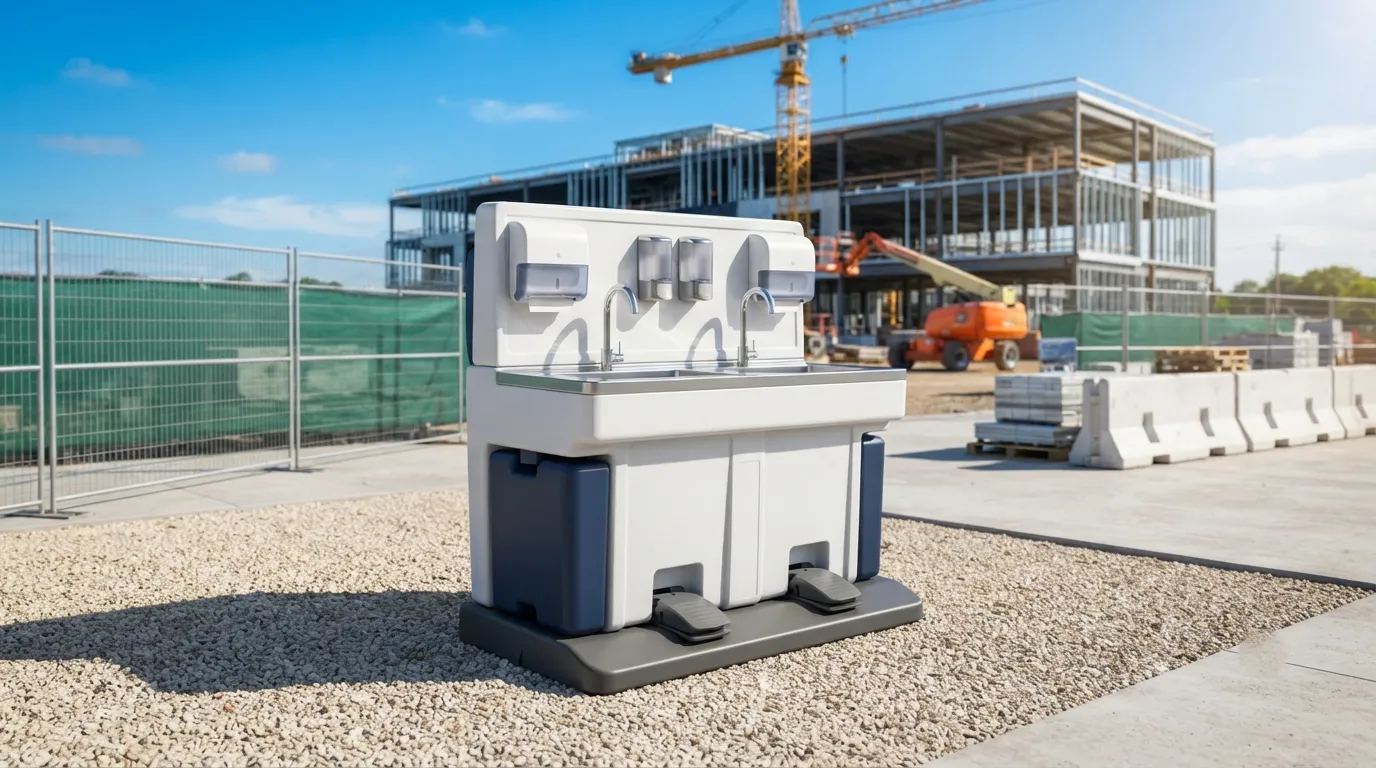
Usually sanitation for the people, not just plumbing for the fixtures. A standard porta potty rental covers the crew, with counts set by OSHA 1926.51(c)(1) at one toilet for 20 or fewer workers and then one seat and one urinal per 40 above that. OSHA 1926.51(f)(1) requires washing facilities in the circumstances it names, which a handwashing station rental handles.
Describe the fixtures, the expected usage and the site through request a quote and we will size the tank and set the pump-out schedule together. If the setup is unusual, and holding tank jobs often are, start at contact and talk it through. Pricing context is on porta potty rental cost and general questions on faq.
What we rent
Typical Toledo ranges, not a quote. Delivery is $50 to $150 and a weekly service visit $30 to $60. See the full cost breakdown.
$125 to $250 a weekend
$200 to $350 a weekend
$199 to $300 a weekend
Quoted by stall count
The rest of the yard
We deliver across Lucas County and the surrounding metro:
Next step
Tell us the address, the dates and the headcount. We size the order and confirm the route.