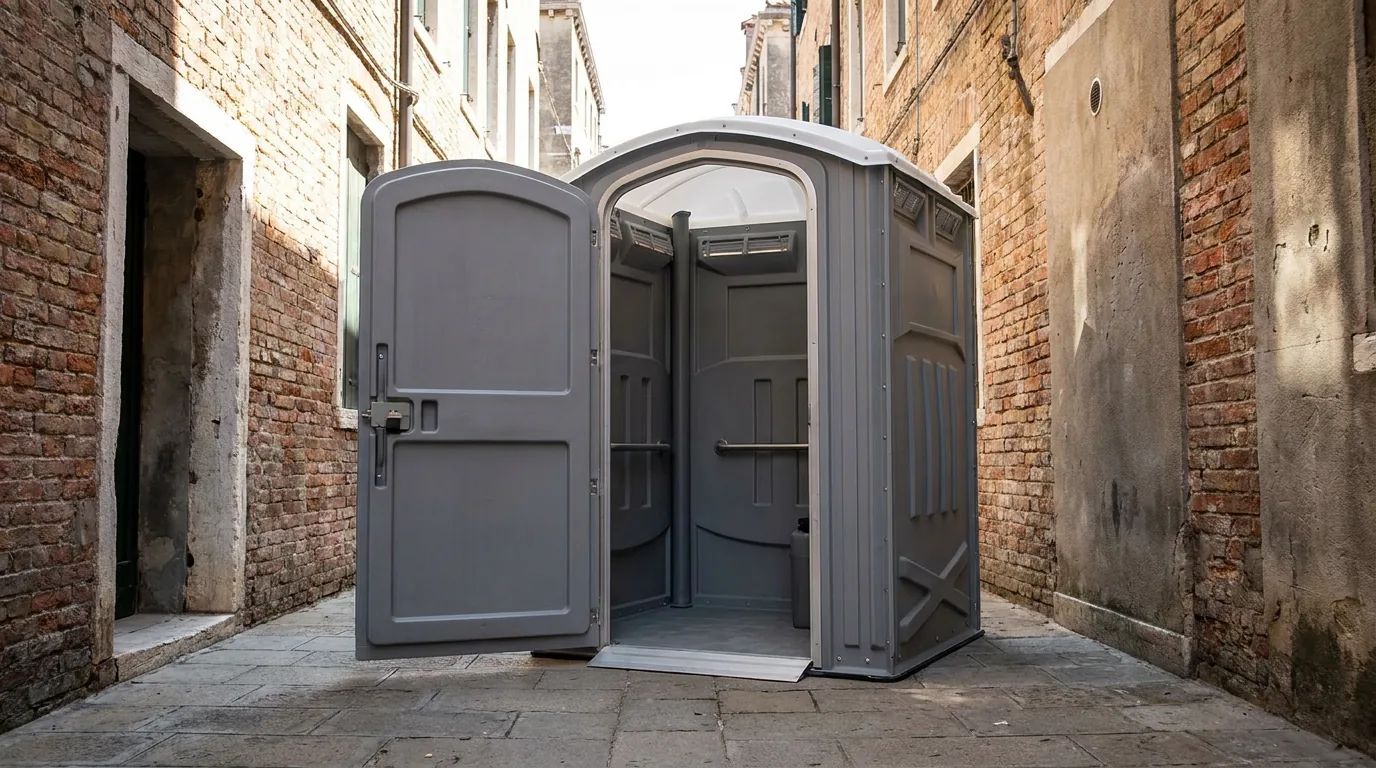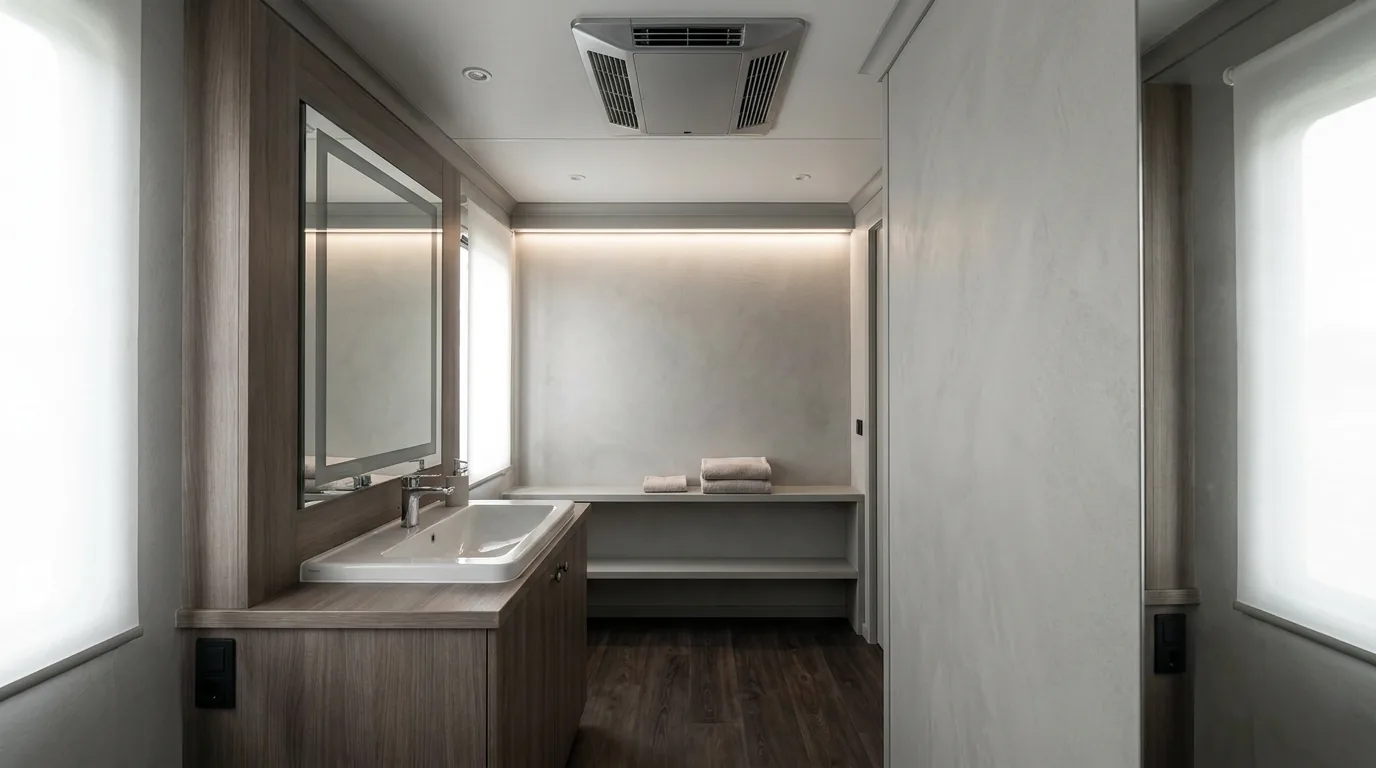

Standard porta potty
$125 to $250 a weekend
Toledo, OH
Slow drains, gurgling pipes, standing water over the drain field and a sewage smell near the tank are the four biggest warning signs. A 1,000 gallon residential tank is typically pumped every 3 to 5 years, driven by tank size and household size, and ignoring the signs between visits is what turns a routine service call into a backup in the basement.

Slow drains are usually the first thing homeowners notice, especially in the lowest fixture in the house, often a basement shower or floor drain. If every sink and tub in the house drains slow at the same time, that is not a clogged trap, that is a full tank. Gurgling sounds from toilets after a flush mean air is fighting wastewater somewhere in the line. Toledo homes on older lines sometimes see this show up seasonally, worse after heavy rain when groundwater pushes the tank higher. If you are already past slow drains and into standing water, do not wait on a scheduled visit. Book septic pumping service or, if it is actively backing up, emergency septic service. Homeowners comparing what pumping actually runs can check septic tank pumping cost before calling, and anyone unsure of their pump interval should read how often to pump a septic tank.
A sewage odor over the tank or drain field means gas is escaping somewhere it should not, usually through a cracked lid, a dry vent trap, or a saturated drain field that can no longer absorb effluent. This is different from a one-time whiff after heavy rain. Constant odor, especially paired with wet or unusually green grass over the field, is the tank telling you it is at or past capacity. Grease buildup causes a related problem in commercial settings: a grease interceptor is pumped once fats, oils, grease and solids reach 25 percent of the liquid depth, and restaurants around Toledo dealing with slow floor drains in the kitchen should look at grease trap pumping rather than a standard residential visit. For general septic questions and maintenance basics, septic tank cleaning covers what a routine visit includes.

Not always, but a backup is the loudest warning sign there is, and it should not wait. Sometimes a backup traces to a collapsed line or a blocked outlet baffle instead of a full tank, but either way it needs a truck out fast. Toledo homeowners dealing with an active backup should call emergency septic service rather than wait for a scheduled slot. If the backup is at a rental property or a job site with no working restroom in the meantime, a holding tank rental covers the gap while the tank gets pumped or repaired. Construction crews working near an active septic line, particularly on renovation jobs, should also have a plan for restrooms already in place; see home renovation porta potty for short-term options while plumbing work is underway. Pooling water over the drain field, especially in spots that never used to pool, points to a field that is saturated and needs a break from use.

Call as soon as you see two or more of these signs together: slow drains, gurgling, standing water, or odor. Waiting past that point risks a full backup into the house, which costs more to clean up than a pumping visit costs to schedule. Toledo's older neighborhoods, along with nearby Sylvania at 8.5 miles northwest and Perrysburg at 13.4 miles south, have a mix of tank ages, and older tanks show warning signs sooner and more often. A visual inspection is also worth scheduling on a schedule, not just when something goes wrong; see septic tank warning signs again in a year even if nothing seems off. If your property runs a well and septic system rather than city water and sewer, an annual check catches problems before they become emergencies. Farms and agricultural operations around Toledo with hand-labor crews should also know that OSHA 1928.110 requires potable water, toilets and handwashing for hand-labor employees, one facility per 20 workers, within a quarter mile walk, a separate requirement from the septic system itself; see farm and agricultural restrooms for that side of compliance.
A typical 1,000 gallon residential tank needs pumping every 3 to 5 years, depending on tank size and how many people live in the house. Larger households push that interval shorter. If you have never had the tank pumped, that is the first call to make, before you have any of the warning signs listed above.
Chemical treatments rarely fix a full tank or a saturated drain field, and some can damage the bacterial balance the system needs to work. If drains are slow across the whole house, the tank likely needs septic pumping service, not a store-bought additive. Call before the problem becomes a backup.
Usually, yes, especially if the water smells or the grass over the field is greener than the rest of the yard. A saturated field needs pumping and sometimes rest time to absorb properly again. Persistent standing water after dry weather is a clear sign to call for service.
A septic tank treats and disperses wastewater into a drain field on-site. A holding tank simply stores wastewater until it is pumped out, with no treatment or dispersal. Construction sites and temporary setups around Toledo often use a holding tank rental instead of a permanent septic system.
Yes, and it often means a dry trap, a vent issue, or a full tank pushing gas back through the line. Pair it with slow drains or gurgling and it is worth a service call. Left alone, indoor odor issues tend to get worse, not better, especially after rain.
What we rent
Typical Toledo ranges, not a quote. Delivery is $50 to $150 and a weekly service visit $30 to $60. See the full cost breakdown.
$125 to $250 a weekend
$200 to $350 a weekend
$199 to $300 a weekend
Quoted by stall count
The rest of the yard
We deliver across Lucas County and the surrounding metro:
Next step
Tell us the address, the dates and the headcount. We size the order and confirm the route.